2026 Member Grant Recipients Announced
For the third consecutive year, Whidbey Island Arts Council (WIAC) has awarded five merit grants to its members. Grant applications were submitted in January, and an independent panel of local artists, performers, writers and creative souls juried the results. A wide variety of proposals were submitted for consideration, and while all were intriguing, only five $500 grants could be awarded.
The independent jury deliberated for approximately ten days before sharing their individual recommendations and comments to the Council for tallying. Each juror expressed amazement at the variety of interesting projects that were under consideration. And now the results are in! This year, the recipients of the 2026 WIAC Member Grants are (in alphabetical order):
• Cara Jung, Whidbey Clay Center – blackout shades/projection screen, with a dual purpose, to upgraded privacy and security after dark, and for classroom video presentations
• Alyson Meyer, Whidbey Life Magazine – podcast recording equipment and composition of musical clips for a cohesive, branded podcast experience.
• Kimberly Muller – two venturi burners to complete a new petal kiln installation in the studio
• Scott Price, Price Sculpture Forest – transportation and logistics to transport and install two new sculptures to/in the Sculpture Forest
• Lindsey Strand-Polyak – “Sei Sola: Strangers in Strange Lands”, an unconventional violin concert series which will debut on Whidbey Island
Congratulations to all!
Stay tuned for further announcements by each of these grant recipients. Follow them on social media and support their creative work.
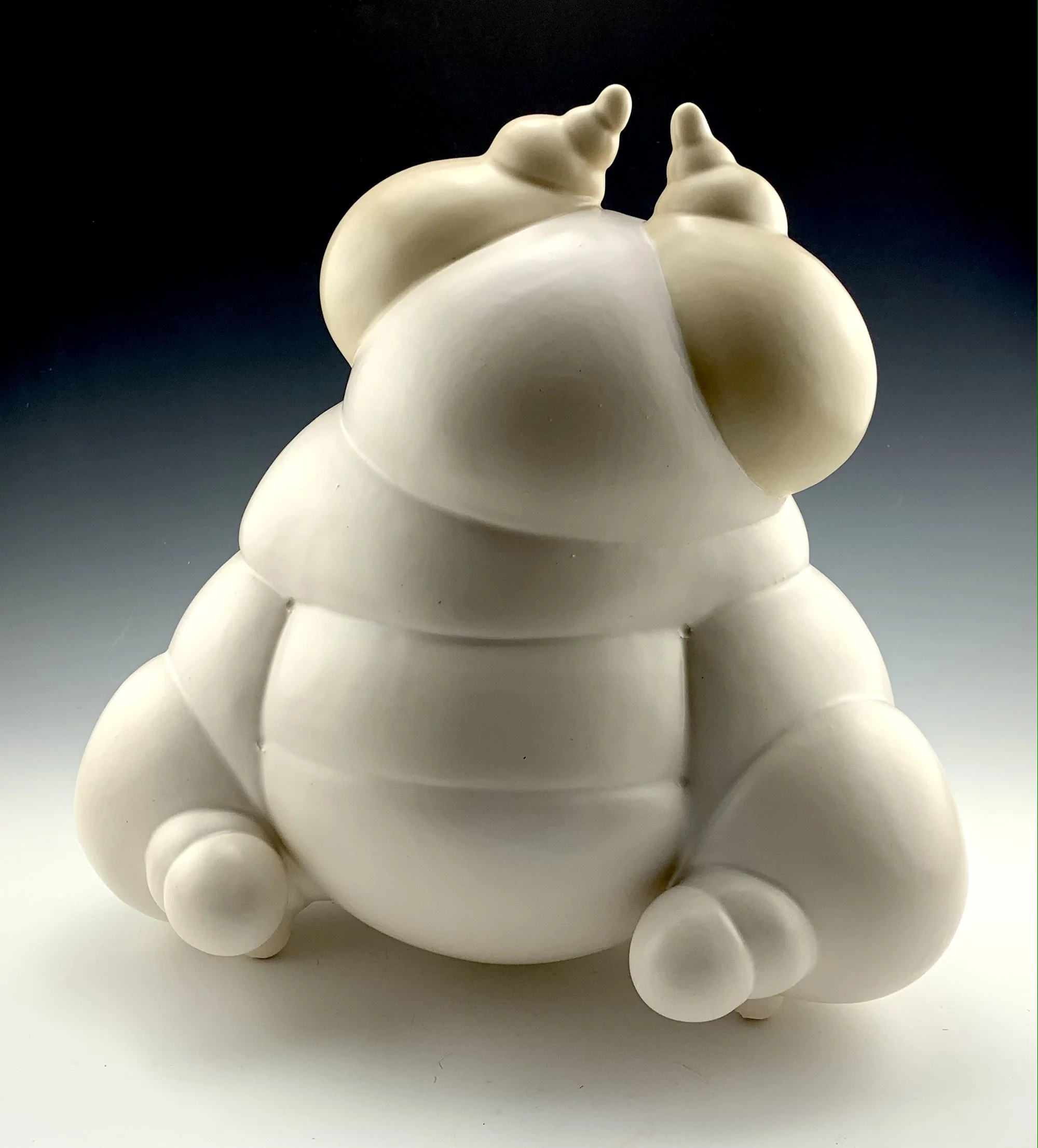
Cara Jung, Whidbey Clay Center
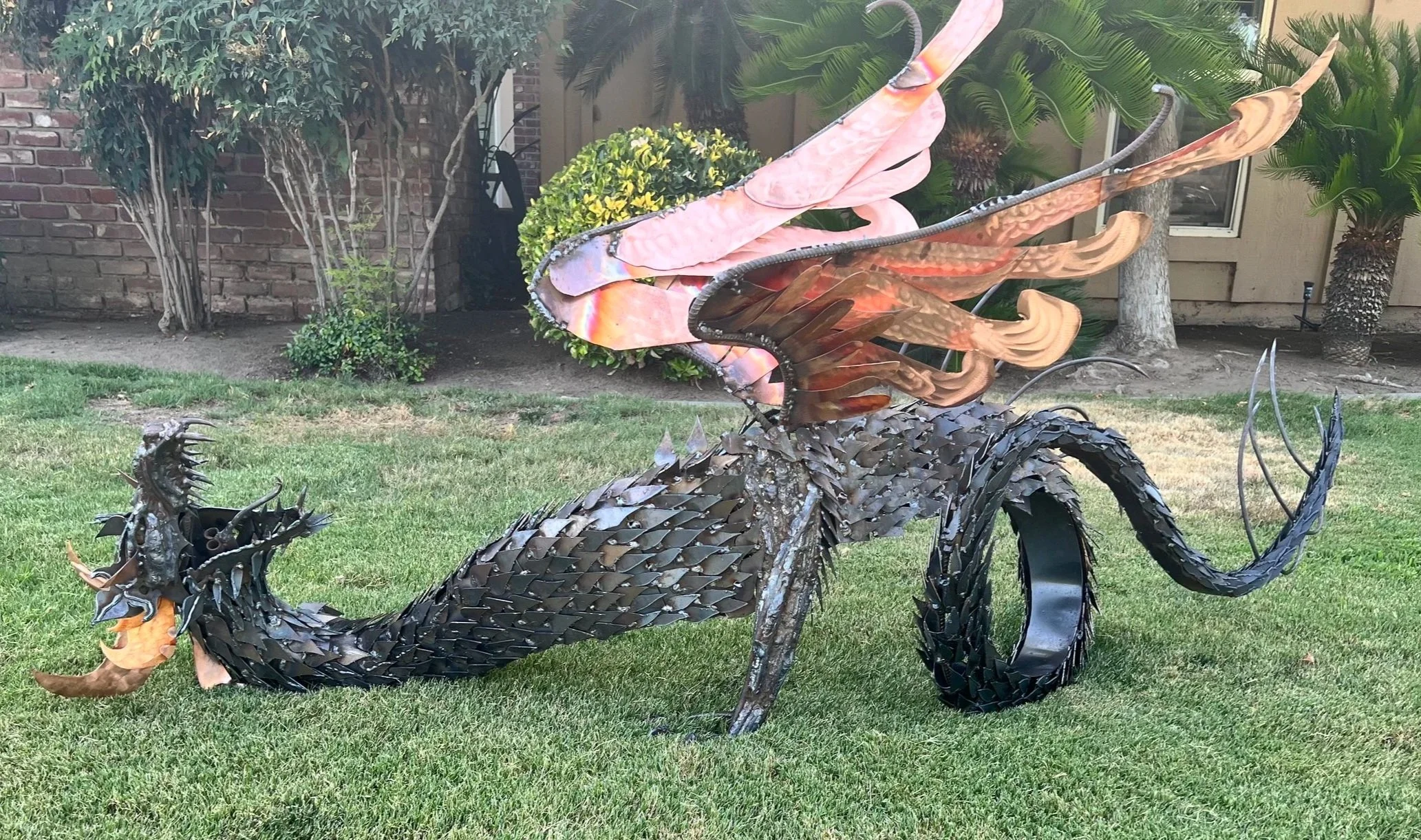
Price Sculpture Forest
Lindsey Strand-Polyak

Allyson Meyer, Whidbey Life Magazine
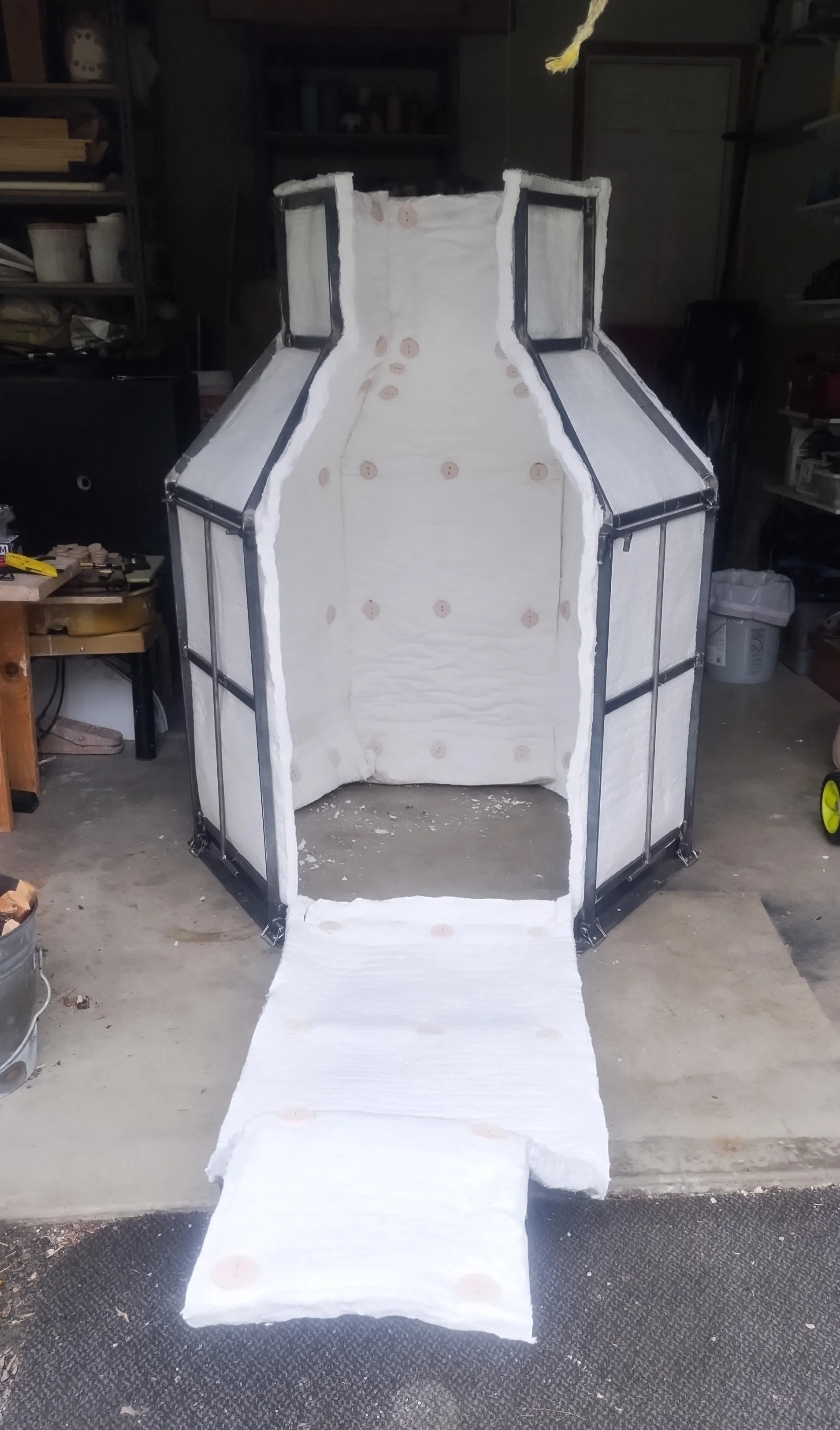
Kimberly Muller, petal kiln
Funding for WIAC's Member Grants program in 2026 was provided by the 2025 Community Accelerator Grant.
'The Community Accelerator Grant, administered by ArtsFund and funded by the Paul G. Allen Family Foundation. The program prioritized communities with less access to mainstream funding, including organizations who center BIPOC, LGBTQ+, and people with disabilities, and rural communities. The funds were made available in order to boost arts organizations’ ability to invest in their missions and support essential roles serving communities across the state.'